
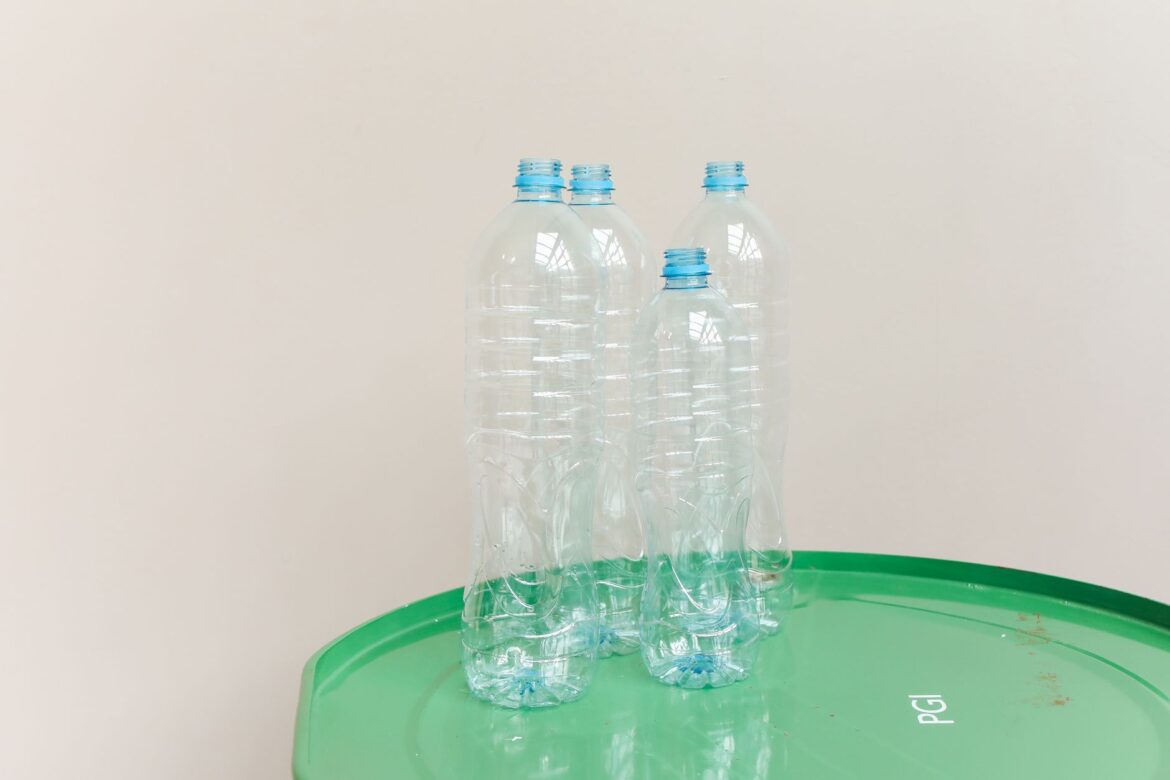
Finnish plastic recycling is becoming a hot topic as startups like Ambio secure significant funding. Recently, Ambio raised €5.1 million to enhance their recycling technologies.
What is Ambio’s mission?
Ambio, a Finnish plastic recycling startup, has embarked on a mission to revolutionize the plastic recycling industry in Finland. The company aims to develop innovative solutions that not only enhance the efficiency of recycling processes but also promote sustainable practices across the nation. By addressing the challenges associated with plastic waste, Ambio seeks to contribute significantly to environmental conservation and resource management.
At the core of Ambio’s mission is the commitment to:
- Enhance recycling technology: Ambio is focused on improving existing recycling methods to ensure higher recovery rates of valuable materials from plastic waste.
- Promote circular economy: The startup advocates for a system where plastic materials are continuously reused and recycled, minimizing the need for new raw materials.
- Increase public awareness: Ambio emphasizes the importance of educating citizens about the benefits of recycling and the impact of plastic waste on the environment.
- Collaborate with stakeholders: By partnering with businesses, governments, and communities, Ambio aims to create a comprehensive approach to Finnish plastic recycling.
Through these initiatives, Ambio is not just addressing the immediate challenges of plastic waste but is also paving the way for a more sustainable future in Finland.
The impact of €5.1 million funding
The recent funding of €5.1 million allocated to Ambio is poised to significantly advance Finnish plastic recycling efforts. This financial boost will enable the startup to enhance its innovative technologies aimed at transforming plastic waste into valuable resources. By focusing on efficient recycling processes, Ambio seeks to address the growing concerns surrounding plastic pollution and its environmental impact.
With this funding, Ambio plans to:
- Expand research and development: Investing in cutting-edge technologies that improve the recycling process for various types of plastics.
- Increase production capacity: Scaling operations to handle larger volumes of plastic waste, ensuring more materials can be recycled effectively.
- Enhance collaboration: Partnering with local municipalities and businesses to create a robust network for plastic collection and recycling.
Additionally, the funding will facilitate educational initiatives aimed at raising awareness about the importance of plastic recycling in Finland. By promoting sustainable practices, Ambio hopes to inspire both individuals and companies to take active roles in reducing plastic waste.
Ultimately, this financial injection represents a critical step towards establishing a more sustainable future, positioning Finnish plastic recycling as a leading example in the global effort to combat plastic waste.
Innovations in plastic recycling technology
Recent advancements in plastic recycling technology have positioned Finnish plastic recycling as a leader in sustainable waste management. Companies like Ambio are at the forefront of these innovations, utilizing cutting-edge methods to enhance the efficiency of plastic recycling processes.
One of the significant innovations includes the development of advanced sorting technologies. These systems use artificial intelligence to identify and separate various types of plastics, ensuring higher purity levels in recycled materials. This not only boosts the quality of recycled products but also reduces contamination rates, which have plagued traditional methods.
Additionally, researchers are exploring biodegradable plastics and their integration into recycling streams. By creating materials that can break down naturally, the environmental impact of plastic waste can be significantly mitigated. This aligns with Ambio’s mission to promote sustainable practices in both production and disposal.
Furthermore, innovative chemical recycling techniques are gaining traction. These processes can break down plastics into their fundamental components, allowing for full circularity in plastic use. As these technologies evolve, they promise to revolutionize the Finnish plastic recycling landscape, making it more effective and environmentally friendly.
In conclusion, the ongoing innovations in plastic recycling technology highlight Finland’s commitment to sustainability and position the country as a model for others to follow.
Challenges faced by recycling startups
While Finnish plastic recycling initiatives show promise, startups like Ambio encounter several challenges that can hinder their growth and effectiveness. One of the primary hurdles is market competition. As more companies enter the recycling sector, distinguishing themselves becomes increasingly difficult.
Additionally, regulatory obstacles pose significant barriers. Startups must navigate complex local and European Union regulations regarding waste management and recycling, which can vary widely. This not only complicates operations but also requires substantial resources for compliance.
Another important issue is public awareness. Many consumers lack knowledge about proper recycling practices, which can lead to contamination of recyclable materials. This highlights the need for better education and outreach programs to inform the public about the importance of Finnish plastic recycling and how to participate effectively.
Moreover, financial sustainability remains a concern. Despite the recent funding boost, startups often struggle with securing ongoing investment to scale their operations. Fluctuations in the market for recycled materials can also impact profitability, making it challenging for new entrants to remain viable.
In conclusion, while the Finnish plastic recycling landscape is evolving, startups like Ambio must address these challenges to fully realize their potential and contribute to a more sustainable future.
Future of Finnish plastic recycling
The future of Finnish plastic recycling looks promising as innovative technologies and increased funding pave the way for a more sustainable approach to waste management. With initiatives like Ambio leading the charge, the industry is poised for significant advancements that could set a benchmark globally.
Ambio’s recent funding of €5.1 million is expected to accelerate the development of new recycling methods that not only enhance efficiency but also reduce environmental impact. This financial boost will enable the company to expand its operations and improve its recycling processes, ensuring that more plastic waste is diverted from landfills.
Moreover, collaboration among various stakeholders, including government entities, local businesses, and environmental organizations, is crucial. By fostering partnerships, the Finnish plastic recycling sector can leverage shared knowledge and resources to tackle the pressing challenges of plastic waste management.
As public awareness surrounding sustainability grows, consumer demand for recycled products is likely to increase. This shift will further motivate companies to invest in and adopt innovative recycling practices. In essence, the trajectory of Finnish plastic recycling seems to be on an upward path, with the potential to lead the way in eco-friendly practices that can be emulated worldwide.
How does this affect the environment?
The environmental implications of Finnish plastic recycling are significant, particularly in the context of global waste management challenges. By focusing on innovative recycling methods, Finland aims to reduce the amount of plastic waste that ends up in landfills and oceans, thus protecting ecosystems and wildlife.
One of the primary benefits of effective plastic recycling is the reduction of greenhouse gas emissions. Traditional plastic production is energy-intensive and contributes to pollution. In contrast, recycling allows materials to be reused, which minimizes energy consumption and lowers carbon footprints. This transition to a circular economy is essential for combating climate change.
Moreover, Finnish plastic recycling initiatives promote the development of a sustainable waste management culture. Through public awareness campaigns and community involvement, citizens are encouraged to participate in recycling efforts, fostering a sense of responsibility toward the environment.
However, the process is not without challenges. Contaminated materials can hinder recycling efforts, resulting in lower quality recycled products. Continuous innovation and education are necessary to enhance the efficiency of recycling programs.
In conclusion, Finnish plastic recycling presents a promising solution to environmental issues, emphasizing the importance of sustainability and responsible consumption in safeguarding the planet for future generations.
Photo by Polina Tankilevitch on Pexels
Read the original
GTA 6 PC Edition: Best Release Date Revealed for Fans · iPhone 18 Pro Cooling System: Is This the Best Simple Trick? · Is Business Video Creation the Best Proven Way to Automate?