
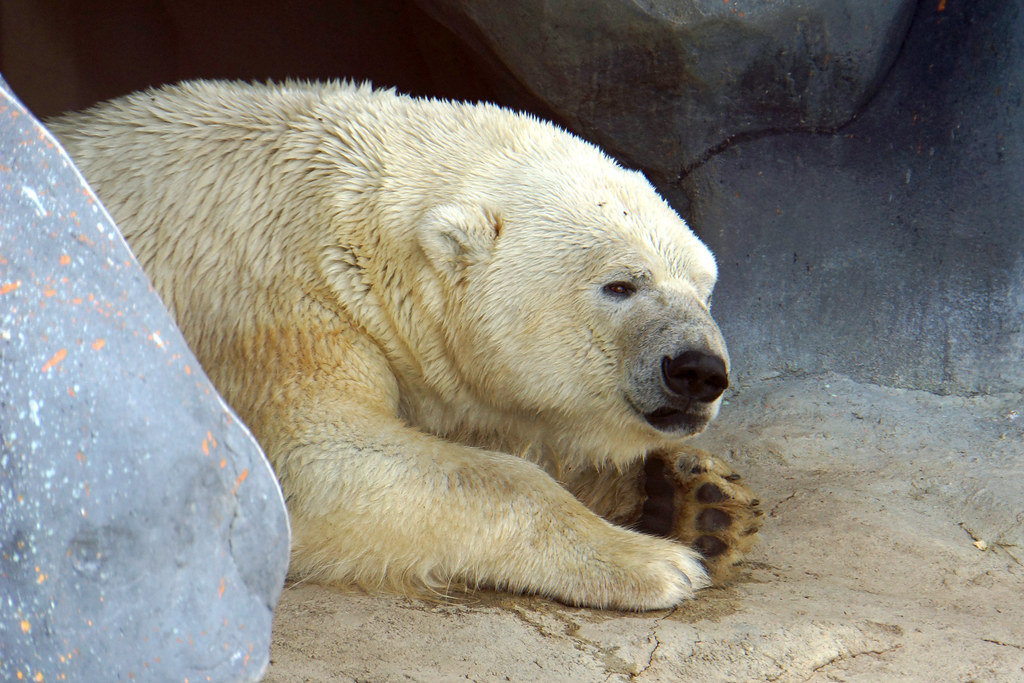
The massive black bear was successfully hauled off the mountain by six dedicated individuals using a tractor. This remarkable event highlights the challenges of wildlife management in mountainous regions.
The Challenge of Wildlife Rescue
Rescuing a massive black bear poses significant challenges, requiring teamwork and specialized equipment. Recently, a group of six dedicated wildlife rescuers faced the daunting task of bringing a massive black bear down from a steep mountain area. The bear, weighing an astonishing amount, was trapped after roaming too close to human settlements, creating a potential danger for both the animal and the local community.
To ensure a safe and effective rescue, the team utilized a tractor, which provided the necessary strength and stability to maneuver the bear without causing harm. This operation highlighted the complexities involved in wildlife rescue, as experts had to carefully assess the bear’s health and behavior before proceeding.
Such efforts are crucial for maintaining harmony between wildlife and human populations, reminding us of the importance of preserving these magnificent creatures in their natural habitats.
How the Bear Was Captured
The effort to capture the massive black bear was no small feat. It required a coordinated approach that involved both experience and ingenuity. A team of wildlife experts and volunteers worked tirelessly, facing numerous challenges along the way.
Initially, they attempted to tranquilize the bear from a distance, but the bear’s size and strength made it difficult to subdue. After several attempts, it became clear that a more hands-on approach was necessary.
In a remarkable display of teamwork, six individuals joined forces, utilizing a tractor to safely maneuver the bear. The tractor provided the necessary strength to lift the bear while ensuring the safety of both the animal and the team members. This operation highlighted the dedication and skill of those involved in wildlife rescue efforts.
Ultimately, the capture was successful, allowing for a safe relocation of the massive black bear back to its natural habitat.
Safety Measures During the Operation
During the operation to safely relocate the massive black bear, several safety measures were implemented to protect both the animal and the rescue team. The team comprised experienced wildlife specialists who understood the inherent risks involved in handling such a large creature.
Key safety protocols included:
- Proper Equipment: The team utilized a tractor and specialized gear designed for handling large wildlife, ensuring a secure and efficient operation.
- Team Coordination: Clear communication was essential; each member was assigned specific roles to minimize confusion and ensure the bear’s safety.
- Emergency Preparedness: First aid kits were on hand, and team members were trained to respond quickly to any unforeseen incidents.
These precautions allowed the team to navigate the challenges of relocating the massive black bear while prioritizing safety throughout the operation.
Community Response to the Incident
The recent incident involving a massive black bear has sparked a wave of reactions from the local community. Many residents have expressed their astonishment at the bear’s size and the effort it took to safely transport it off the mountain.
Community members took to social media to share their thoughts:
- “I can’t believe how big that bear was! It’s incredible to see wildlife like this up close.”
- “Kudos to the rescue team for handling such a dangerous situation with care.”
- “This is a reminder of the importance of coexistence with nature.”
Local wildlife officials also urged residents to remain vigilant as the bear was relocated, highlighting the need for safety and awareness in areas where wildlife may roam.
Implications for Wildlife Management
The recent capture of a massive black bear has raised important questions regarding wildlife management in the area. With the bear’s substantial size, it highlights the need for effective strategies to balance wildlife preservation and community safety.
Experts emphasize the following implications for wildlife management:
- Increased Monitoring: Wildlife officials may need to enhance tracking efforts to prevent future conflicts.
- Community Education: Informing residents about living alongside wildlife can reduce human-bear interactions.
- Resource Allocation: More funding may be required for rescue operations, especially for large animals like this black bear.
- Habitat Protection: Preserving natural habitats is crucial to ensure bears stay away from populated areas.
Ultimately, this incident serves as a reminder of the delicate balance between human activities and wildlife conservation.
By archer10 (Dennis) via Openverse