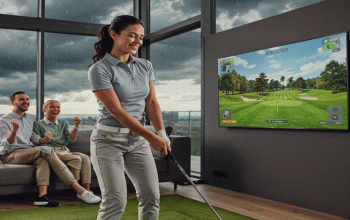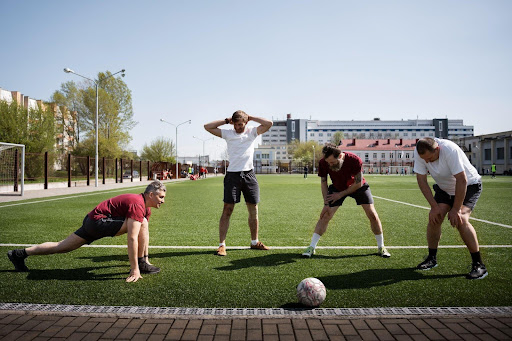
Modern outdoor and indoor surfaces are increasingly designed to balance durability, aesthetics, and performance, and grass synthetic turf has emerged as a reliable solution across sports facilities, recreational spaces, and residential landscapes. This surface alternative addresses challenges related to water usage, maintenance costs, and year-round usability while offering consistent performance. With evolving manufacturing standards and material technologies, engineered turf systems now replicate natural textures while delivering enhanced longevity. As sports infrastructure continues to expand in the United States, carefully designed turf surfaces are playing a vital role in ensuring safety, efficiency, and visual appeal across multiple applications.
Understanding Engineered Turf Systems
Engineered turf systems are created using advanced polymer fibers that are designed to simulate the structure and feel of natural grass. These fibers are anchored into a backing system that provides dimensional stability and resilience. Unlike natural lawns, these surfaces are not affected by climate fluctuations, heavy rainfall, or extended use. Their layered construction ensures proper drainage, shock absorption, and surface consistency. Because of this controlled design, facilities can achieve predictable performance standards regardless of seasonal changes or usage intensity.
Key Materials Used in Turf Manufacturing
The quality of any turf system depends heavily on the materials used in its construction. Polyethylene fibers are commonly selected for their softness and realistic appearance, while polypropylene and nylon may be incorporated for added strength. The backing layers are typically made from durable latex or polyurethane to maintain fiber alignment and prevent deformation. Infill materials such as sand or rubber granules are used to enhance stability and cushioning. Together, these components create a surface that balances comfort with structural integrity.
Performance Benefits Across Applications
One of the most significant advantages of engineered turf is its consistent performance. The surface remains even and predictable, reducing the risk of slips or uneven footing. This makes it suitable for sports courts, training facilities, and community spaces. Additionally, the surface retains its color and texture over time, even when exposed to sunlight or heavy use. The ability to maintain performance without frequent intervention makes engineered turf a practical choice for high-traffic environments.
Maintenance and Long-Term Efficiency
Compared to natural grass, engineered turf requires minimal upkeep. There is no need for watering, mowing, fertilizing, or pest control. Routine brushing and occasional cleaning are sufficient to maintain surface quality. This reduced maintenance not only lowers operational costs but also conserves water and minimizes the use of chemical treatments. Over time, the savings associated with upkeep can offset the initial installation investment, making engineered turf a cost-efficient solution.
Environmental Considerations
Sustainability is a growing concern in modern infrastructure development. Engineered turf contributes positively by significantly reducing water consumption and eliminating the need for fertilizers or pesticides. Many manufacturers now use recyclable materials and low-emission production processes. Additionally, modern turf systems are designed with efficient drainage layers that prevent water stagnation and soil erosion. These features align well with environmentally responsible development goals.
Safety and User Comfort
Safety is a critical factor when selecting surface solutions. Engineered turf systems are designed to provide shock absorption that reduces strain on joints and minimizes impact injuries. The even surface helps prevent trips and falls, while the controlled friction level supports stable movement. Heat management technologies are also being integrated to reduce surface temperature during warmer conditions, improving user comfort and usability.
Customization and Design Flexibility
Another advantage of engineered turf lies in its adaptability. Facilities can choose from various pile heights, fiber densities, and color tones to match specific design requirements. Line markings and logos can be integrated directly into the surface, ensuring long-term visibility without repainting. This flexibility allows designers and planners to create tailored solutions that align with functional and aesthetic objectives.
Sports Surface Innovations
Sports-specific turf systems are engineered to meet the performance needs of different games. Tennis courts, for example, require controlled ball bounce and consistent traction. Advanced manufacturing techniques ensure that these requirements are met with precision. The development of Quality Artificial Tennis Turf in the USA reflects a focus on player experience, durability, and compliance with international sports standards. These surfaces are tested rigorously to ensure reliable play across competitive and recreational levels.
Installation Standards and Preparation
Proper installation is essential to achieving optimal performance from engineered turf. The process begins with thorough site preparation, including grading and base compaction. A stable foundation ensures effective drainage and prevents surface movement. Skilled installers then secure the turf panels, apply infill materials, and perform final grooming. Adhering to established installation standards helps extend the lifespan of the surface and maintains consistent performance.
Durability and Weather Resistance
Engineered turf systems are designed to withstand diverse weather conditions. UV-resistant fibers prevent fading, while reinforced backing materials resist wear and tear. These surfaces remain functional during rain and recover quickly after use. Their resilience makes them suitable for both indoor and outdoor environments, providing uninterrupted usability throughout the year.
Regulatory Compliance and Quality Assurance
Reputable turf manufacturers adhere to strict quality control measures and regulatory guidelines. Products are tested for durability, traction, and environmental safety. Compliance with industry standards ensures that surfaces meet performance expectations and safety requirements. This commitment to quality builds confidence among facility owners and users.
Applications Beyond Sports
Beyond athletic facilities, engineered turf is widely used in landscaping, rooftops, playgrounds, and commercial spaces. Its visual appeal and low maintenance make it ideal for decorative and functional purposes. Urban environments benefit from green-looking spaces without the challenges of traditional landscaping. These versatile applications highlight the adaptability of engineered turf solutions.
Conclusion
Ongoing research continues to improve turf performance and sustainability. Innovations include enhanced fiber resilience, eco-friendly infill alternatives, and improved heat reduction technologies. As demand grows, manufacturers are focusing on creating surfaces that offer better performance while reducing environmental impact. These advancements ensure that engineered turf remains a forward-looking solution.
Selecting the right surface solution requires careful consideration of performance, durability, and long-term value. Engineered turf systems deliver consistent results across sports and landscaping applications while reducing maintenance demands. For organizations seeking reliable and professionally engineered solutions, Padel Factory offers expertise in delivering high-quality turf installations tailored to modern facility needs. Partnering with a trusted provider ensures that every project benefits from precision, performance, and lasting value.