
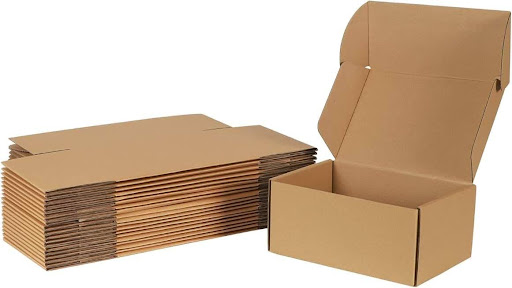
Packaging is no longer just a protective layer around a product. It is a storyteller, a silent salesperson, and a promise of quality. From the moment a customer sees a box on a shelf or receives it at their doorstep, opinions are formed instantly. In today’s competitive markets, the journey from idea to finished package has become a strategic process that influences brand trust, logistics efficiency, and sustainability goals.
Every fold, material choice, and print detail now reflects how a brand values its customers and the environment. As supply chains grow more complex, dependable packaging becomes a business necessity rather than a background detail. This is where working with an experienced carton box supplier adds value, ensuring packaging supports both operational needs and brand perception. When packaging decisions are made thoughtfully, they create confidence long before the product is even used.
This blog explores how thoughtful packaging decisions shape modern businesses, why boxes matter more than ever, and how companies can make smarter choices that support growth rather than simply contain products.
Why Packaging Is a Strategic Business Decision
In the past, packaging was treated as an operational afterthought. Today, it sits at the intersection of branding, customer experience, and supply chain performance.
A well-designed carton:
- Protects products during transport and storage
- Communicates brand values at a glance
- Improves handling efficiency and reduces waste
- Supports sustainability commitments
Businesses that view packaging as a strategy not an expense, tend to see long-term gains in customer loyalty and operational savings.
The Hidden Role of Boxes in Everyday Life
Think about how many boxes you encounter in a single day. Food deliveries, online shopping parcels, retail displays, and even medical supplies all rely on structured packaging.
Cartons and corrugated boxes play several unseen roles:
- They absorb shock during long-distance shipping
- They stack neatly, optimizing warehouse space
- They act as a canvas for branding and information
- They ensure compliance with safety and hygiene standards
Behind each box is a careful balance of material strength, size optimization, and cost control—an area where an experienced carton box supplier becomes critical to business success.
Corrugated Packaging: Strength Meets Flexibility
Corrugated packaging stands out because of its unique structure. Layers of paperboard with fluted sheets in between create strength without excessive weight. This makes it ideal for a wide range of industries.
Where Corrugated Boxes Excel
- E-commerce: Lightweight yet durable for shipping
- Food & beverage: Breathable and hygienic options
- Electronics: Shock resistance and customization
- Industrial goods: High load-bearing capacity
Leading corrugated box manufacturers invest heavily in testing, innovation, and customization to ensure boxes perform reliably across different environments and use cases.
Customization: Turning Boxes into Brand Assets
A box is often the first physical interaction a customer has with a brand. Custom packaging transforms that moment into an experience.
Customization can include:
- Tailored dimensions to reduce void fill
- Printed logos and brand colors
- Product information and usage instructions
- QR codes or messages that extend engagement
When packaging aligns with brand identity, it reinforces trust and professionalism. Customers remember brands that pay attention to these details, even if they don’t consciously realize it.
Sustainability: From Trend to Responsibility
Sustainability is no longer optional, it’s expected. Businesses are under increasing pressure from consumers, regulators, and partners to reduce their environmental footprint.
Modern packaging strategies focus on:
- Recyclable and biodegradable materials
- Reduced material usage without compromising strength
- Efficient designs that lower transportation emissions
- Responsible sourcing and ethical manufacturing
Many forward-thinking packaging solutions companies now design packaging with its entire lifecycle in mind, from raw material sourcing to end-of-life disposal.
Packaging and Supply Chain Efficiency
Packaging choices directly affect logistics costs. Oversized boxes waste space, while under-engineered ones risk damage and returns.
Smart packaging improves:
- Warehouse efficiency: Better stacking and storage
- Transportation costs: Optimized dimensions reduce freight expenses
- Handling speed: Uniform packaging simplifies processes
- Damage reduction: Stronger boxes mean fewer losses
When packaging is designed in collaboration with logistics teams, it becomes a powerful tool for operational efficiency.
The Shift Toward Integrated Packaging Solutions
Businesses today prefer partners who offer more than just boxes. Integrated packaging solutions bring together design, material science, manufacturing, and distribution under one strategy.
This approach allows companies to:
- Scale packaging as business grows
- Maintain consistency across regions
- Respond quickly to market changes
- Simplify supplier management
Instead of sourcing different components separately, companies increasingly rely on experts who understand the full packaging ecosystem.
Innovation in Materials and Design
Packaging innovation is accelerating. Advances in material science are creating boxes that are lighter, stronger, and more sustainable than ever before.
Current innovations include:
- High-strength recycled paperboards
- Water-resistant yet recyclable coatings
- Smart packaging with tracking features
- Modular box designs for multiple product sizes
These innovations help businesses stay competitive while meeting modern expectations around sustainability and performance.
Choosing the Right Packaging Partner
Selecting a packaging partner is a long-term decision. Beyond price, businesses should evaluate:
- Manufacturing capabilities and quality control
- Ability to customize and scale
- Commitment to sustainability and compliance
- Industry experience and technical expertise
A reliable partner doesn’t just supply boxes, they help businesses solve problems, reduce costs, and plan for future growth.
Packaging as a Competitive Advantage
In crowded markets, small details make big differences. Packaging that protects well, looks professional, and aligns with values can set a brand apart.
When done right, packaging:
- Enhances customer satisfaction
- Reduces operational inefficiencies
- Supports sustainability goals
- Strengthens brand perception
It becomes a silent but powerful contributor to business success.
Conclusion: Where Smart Packaging Begins
From protecting products to shaping perceptions, packaging plays a far greater role than many businesses initially realize. Thoughtful design, sustainable materials, and strategic partnerships turn simple boxes into valuable business assets.
Companies looking to strengthen their packaging approach often benefit from working with experienced providers who understand both functionality and branding. In this context, Hotpack Packaging LLC stands out as a name associated with comprehensive, forward-looking packaging solutions that support businesses across industries while adapting to modern demands.
When packaging is approached with intention, every box becomes an opportunity not just a container.