
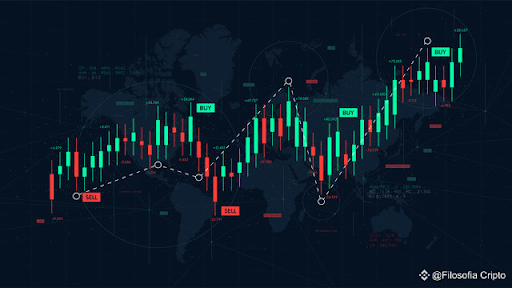
For the best forex trading experience, understanding market movements is crucial for success. Traders across the globe rely on two primary types of analysis to make informed decisions: technical analysis and fundamental analysis. While both methods aim to predict market behavior, their approaches and insights are distinct, and knowing which one to prioritize can make a significant difference in your trading outcomes. Whether you’re a seasoned trader or exploring forex trading in India, understanding these strategies is essential.
What Is Technical Analysis?
Technical analysis is a method of evaluating financial markets based on historical price data, chart patterns, and market indicators. Unlike fundamental analysis, which considers economic and political factors, technical analysis focuses purely on the numbers—the highs, lows, volumes, and trends.
Traders using technical analysis rely heavily on charts to identify patterns that can indicate potential price movements. Tools like moving averages, Relative Strength Index (RSI), and Bollinger Bands help traders anticipate trends and make short-term trading decisions. The underlying belief is that market prices already reflect all available information and that price movements follow predictable patterns.
For instance, if a currency pair has been consistently rising, technical analysts may predict that the trend will continue until a reversal pattern appears. Similarly, technical tools help identify support and resistance levels, which can guide entry and exit points for trades.
How Technical Analysis Helps Traders
Technical analysis is particularly useful for traders who want to make quick decisions in volatile markets. Since forex is a 24-hour market, traders can analyze charts in real-time to identify trends and capitalize on price swings. This method is widely used in forex exchange trading, where timing is critical.
Some advantages of technical analysis include:
- Objective Decision-Making: Charts and indicators provide quantifiable data to guide trades.
- Trend Identification: Helps traders spot emerging trends before they become obvious.
- Flexibility Across Timeframes: Useful for short-term day trading as well as longer-term investments.
However, technical analysis is not foolproof. Sudden geopolitical events or unexpected economic announcements can disrupt trends, leaving traders vulnerable if they rely solely on charts.
What Is Fundamental Analysis?
Fundamental analysis, on the other hand, evaluates a currency’s value based on underlying economic, financial, and political factors. This method examines indicators like GDP growth, employment rates, inflation, interest rates, and trade balances to determine whether a currency is overvalued or undervalued.
For example, if a country announces stronger-than-expected economic growth, its currency may strengthen relative to others. Similarly, interest rate changes by central banks can create significant movements in currency pairs. Traders who use fundamental analysis aim to understand the “why” behind market movements, not just the “what.”
How Fundamental Analysis Guides Forex Trading
Fundamental analysis provides a broader perspective of the market. It is essential for traders looking to make long-term investments or understand the macroeconomic factors affecting a currency. In the context of forex trading India, fundamental analysis can help traders anticipate market reactions to government policies, international trade deals, and economic reports.
Some advantages of fundamental analysis include:
- Long-Term Insights: Helps traders make informed decisions based on economic realities.
- Predictive Power: Can forecast currency movements based on macroeconomic trends.
- Risk Management: By understanding the economic factors affecting a currency, traders can better manage risks.
The main challenge with fundamental analysis is that it requires careful monitoring of global events and economic reports. It also demands patience, as the effects of economic shifts on currency prices may take time to materialize.
Technical vs Fundamental Analysis: Which Matters Most?
The debate between technical and fundamental analysis is ongoing in the trading community. The truth is, both have their strengths and weaknesses, and the most successful traders often combine the two approaches.
- For Short-Term Trading: Technical analysis tends to be more effective, as price patterns and market sentiment can drive quick profits.
- For Long-Term Investments: Fundamental analysis provides a deeper understanding of currency valuation and market trends.
Consider a trader using a crypto platform that also offers forex trading. They might use technical analysis to time entry and exit points for quick trades while relying on fundamental analysis to understand broader market conditions. Combining both strategies allows for informed decisions that balance immediate opportunities with long-term trends.
Practical Tips for Traders
- Use Charts and Indicators Wisely: While technical analysis tools are powerful, avoid relying solely on them. Look for confirmation from multiple indicators before executing a trade.
- Stay Informed on Global News: Economic announcements, political events, and central bank decisions can significantly impact currency values. Keep a close eye on news that could affect your positions.
- Adapt to Market Conditions: Some markets are more trend-driven, favoring technical analysis, while others react strongly to economic news, making fundamental analysis more effective.
- Combine Approaches: Many traders find success using technical analysis for timing and fundamental analysis for context. This hybrid strategy helps minimize risks while maximizing opportunities.
- Practice Risk Management: No strategy guarantees profits. Use stop-loss orders, position sizing, and diversification to protect your capital.
Why Both Analyses Are Important
Ignoring either analysis can leave traders exposed to unnecessary risk. Technical analysis without understanding the fundamentals can lead to losses when unexpected events shake the market. Conversely, relying solely on fundamentals may cause traders to miss short-term opportunities driven by market sentiment.
By learning both, traders can understand not just the “how” but also the “why” behind price movements. This comprehensive approach is especially useful for beginners in forex trading India, as it builds both tactical skills and strategic insight.
Conclusion
In forex trading, neither technical nor fundamental analysis alone guarantees success. Both are tools that, when used wisely, provide valuable insights into market behavior. Short-term traders may lean more on charts and indicators, while long-term investors rely heavily on economic and political factors. However, blending the two approaches ensures a more balanced, informed, and strategic approach to trading.
Markettrade makes your forex market trading easy, smooth, and profitable. Their foreign exchange trading platform enables you to trade confidently with real-time information, sophisticated tools, and dependable execution, giving both beginner and experienced traders the edge they need in today’s fast-moving markets.