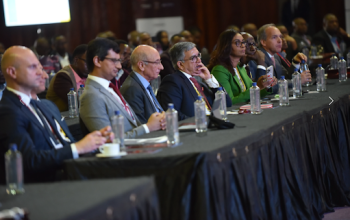
In an era where collaboration drives organizational success, ensuring meetings and conferences run smoothly is critical. Businesses are increasingly adopting structured, technology-driven approaches to maximize productivity, engagement, and clarity. However, even well-intentioned plans can fall short if common errors are overlooked. A seamless conference is more than just a well-timed event; it is a carefully orchestrated experience where participants can interact efficiently, decisions are made quickly, and objectives are consistently achieved.
This blog highlights five key errors that can undermine such conferences and provides practical solutions for avoiding them, enabling organizations to elevate collaboration and operational efficiency.
Neglecting Comprehensive Pre-Planning and Agenda Structuring
Effective conferences start long before participants enter the room; careful pre-planning and structured agendas are crucial to avoiding wasted time and confusion.
- Undefined objectives: Without clearly defined goals, meetings can drift, wasting valuable time and resources. Establishing precise objectives ensures all participants understand the purpose and expected outcomes.
- Incomplete agendas: A poorly constructed agenda limits focus and encourages tangential discussions. Providing a detailed agenda in advance helps attendees prepare effectively and contributes to a more structured dialogue.
- Overloading topics: Trying to cover too many subjects can dilute attention and reduce productivity. Prioritize key discussion points to maintain clarity and allow sufficient time for meaningful engagement.
- Lack of role assignment: Undefined responsibilities during the meeting can create confusion. Assigning moderators, note-takers, and presenters enhances organization and accountability.
By defining objectives, prioritizing discussion points, and assigning clear roles, organizations ensure that meetings are focused, productive, and consistently achieve their intended outcomes.
Underestimating Technology Requirements
Technology is the backbone of modern meetings, and underestimating its importance can quickly derail even the most well-planned conferences.
- Incompatible platforms: Using multiple tools that do not integrate seamlessly can disrupt workflows. Choose platforms that are compatible with all devices and ensure that remote and in-person attendees share the same experience.
- Insufficient connectivity: Poor internet connections or outdated systems can lead to delays and frustration. Conduct technical checks before the meeting to identify and resolve potential issues.
- Lack of training: Participants unfamiliar with digital tools can slow down progress. Provide guidance and tutorials to ensure everyone can navigate collaborative platforms efficiently.
- Neglecting security: Failing to secure digital communication channels can expose sensitive information. Implement encryption, access controls, and authentication protocols to maintain data integrity.
Investing in compatible platforms, ensuring robust connectivity, providing training, and securing digital channels guarantees that technology enhances engagement rather than becoming an obstacle.
Ignoring Participant Engagement and Inclusivity
Conferences are only effective when every participant is actively involved, regardless of location, background, or role within the organization.
- Passive involvement: Allowing attendees to remain passive can limit the flow of ideas. Encourage active participation through Q&A sessions, polls, and discussion prompts.
- Exclusion of remote participants: Remote attendees often feel sidelined, reducing their contribution. Use collaborative platforms and structured communication techniques to ensure everyone can contribute equally.
- Dominance by a few voices: Over-dominance by certain participants can skew discussions. Moderators should actively facilitate balanced participation and ensure all perspectives are heard.
- Neglecting cultural and organizational differences: Failing to account for diverse backgrounds and roles may lead to miscommunication. Incorporate inclusive practices and adapt communication styles to suit all participants.
By fostering inclusivity, encouraging balanced participation, and accommodating diverse perspectives, organizations create an environment where ideas flourish and collaborative solutions emerge.
Overlooking Post-Conference Follow-Up
The true value of a conference lies not just in discussions held but in the actions taken afterward to implement decisions and maintain momentum.
- Lack of actionable outcomes: Without clearly defined next steps, decisions made during the conference can lose momentum. Summarize action items and assign responsibilities to ensure accountability.
- Delayed communication: Waiting too long to share minutes or decisions can reduce effectiveness. Distribute summaries promptly to keep participants informed and aligned.
- Ignoring feedback loops: Skipping post-conference evaluations prevents learning and improvement. Gather feedback to identify what worked well and areas needing adjustment.
- Failure to track progress: Without monitoring follow-ups, tasks may stall. Use project management tools to track assignments and milestones, ensuring continuity.
Promptly sharing summaries, assigning responsibilities, tracking progress, and collecting feedback ensures that insights translate into measurable results and continuous improvement.
Failing to Adapt to Changing Needs and Contexts
Organizations that fail to evolve their conference approach risk inefficiency and disengagement in a rapidly changing business landscape.
- Rigid structures: Sticking to a one-size-fits-all approach can hinder responsiveness. Tailor the conference format, timing, and content to the current context and audience needs.
- Ignoring feedback and trends: Conferences that do not evolve based on participant feedback or industry trends quickly become outdated. Continuously monitor and implement improvements.
- Overlooking hybrid requirements: Modern organizations often require a blend of in-person and virtual interactions. Failing to adapt to hybrid models can compromise accessibility and engagement.
- Resistance to innovative methods: Relying solely on traditional approaches limits potential efficiency gains. Explore innovative facilitation techniques, interactive tools, and real-time analytics to optimize outcomes.
By embracing flexibility, responding to feedback, supporting hybrid participation, and incorporating innovative methods, companies can sustain relevance and maximize the impact of every meeting.
Conclusion
Avoiding these five common errors forms the foundation of a professional conference. By addressing each aspect thoughtfully, organizations can enhance collaboration, decision-making, and overall productivity. Similarly, applying these strategies in an open banking conference setting ensures that financial discussions are efficient, actionable, and aligned with broader industry objectives. Implementing structured approaches guarantees that every meeting delivers measurable results, strengthens team cohesion, and drives meaningful outcomes.
For those seeking expert insights and solutions to improve corporate collaboration, resources and guidance are available at the World Financial Innovation Series (WFIS) – Philippines. Leveraging these tools can transform meetings from routine sessions into highly productive and impactful experiences. Attend the World Financial Innovation Series (WFIS) – Philippines to elevate your organizational collaboration and achieve operational excellence.