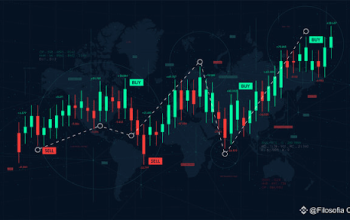
Forex trading offers immense opportunities, but it also comes with substantial risk, especially in fast-moving global markets. Whether you are trading through the best forex trading platform in Dubai or exploring international currency pairs, managing risk is what separates consistent traders from those who struggle. Volatility, leverage, and emotional decisions can quickly erode capital without a structured risk management approach in place.
Risk management is not about eliminating losses altogether. Losses are an inevitable part of trading. Instead, it focuses on controlling downside exposure, protecting capital, and maintaining consistency over time. Traders who master risk management are better positioned to survive market fluctuations and capitalize on long-term opportunities.
Understanding Risk in the Forex Market
The forex market is influenced by economic data, interest rate decisions, geopolitical events, and investor sentiment. Prices can change rapidly, sometimes without warning. This unpredictability makes risk management essential for every trader, regardless of experience level.
Leverage amplifies both profits and losses, increasing the importance of disciplined decision-making. Without proper safeguards, even a single poorly managed trade can have a significant impact on an account. Understanding how risk functions in different market conditions helps traders stay prepared and responsive.
The Importance of Position Sizing
Position sizing determines how much capital you risk on each trade. One of the most widely followed principles in forex trading is risking only a small percentage of your account—typically 1% to 2% per trade.
This approach ensures that no single loss can cause major damage to your trading capital. By keeping risk per trade consistent, traders gain the ability to withstand losing streaks while remaining active in the market. Position sizing also helps reduce emotional stress, allowing for more rational decision-making.
Using Stop-Loss Orders Wisely
Stop-loss orders are essential risk management tools that automatically close a trade once a certain loss threshold is reached. Trading without stop-losses exposes traders to unlimited risk, which can be devastating during sudden market moves.
Effective stop-loss placement should be strategic, not emotional. Stops should align with technical levels such as support, resistance, or recent price swings. A well-placed stop-loss protects capital while giving trades enough room to develop naturally.
Managing Leverage with Discipline
Leverage allows traders to control large positions with relatively small capital, but it must be used carefully. Excessive leverage increases the likelihood of rapid losses, especially during volatile periods.
Professional traders treat leverage as a tool, not a shortcut to quick profits. Using moderate leverage helps maintain account stability and prevents emotional trading decisions driven by fear or greed. Responsible leverage management is a cornerstone of long-term success.
Maintaining a Strong Risk-to-Reward Ratio
A favorable risk-to-reward ratio ensures that potential profits outweigh potential losses. Many traders aim for a minimum ratio of 1:2, meaning they risk one unit of capital to gain two.
This strategy allows traders to remain profitable even with a lower win rate. Over time, maintaining a strong risk-to-reward ratio helps build confidence and consistency while minimizing the impact of losing trades.
Avoiding Overtrading and Correlation Risk
Overtrading often occurs when traders chase opportunities or try to recover losses too quickly. This behavior increases exposure and weakens risk control.
Additionally, trading multiple correlated currency pairs can unintentionally amplify risk. For example, holding several positions tied to the same base currency exposes the account to a single economic event. Diversifying trades thoughtfully helps balance exposure and reduce unnecessary risk.
Controlling Emotions in Trading
Emotions are one of the biggest challenges in forex trading. Fear can cause traders to exit winning trades too early, while greed can lead to holding losing positions for too long.
Risk management rules act as a buffer against emotional decision-making. By following a predefined plan, traders reduce impulsive actions and stay focused on long-term objectives. Emotional control is developed through discipline, experience, and consistency.
Creating and Following a Trading Plan
A trading plan outlines entry rules, exit strategies, position sizing, and risk limits. It serves as a personal framework for making decisions under varying market conditions.
Sticking to a trading plan removes guesswork and creates accountability. Traders who consistently follow their plan are more likely to manage risk effectively and avoid emotional mistakes. The plan should be reviewed and refined regularly based on performance and market behavior.
Adapting Risk Strategies to Market Conditions
Market conditions are not static. High-impact economic announcements, low-liquidity sessions, or geopolitical events can increase volatility dramatically.
During such periods, traders may reduce position size, widen stop-loss levels, or avoid trading altogether. Flexibility is an important aspect of risk management. Understanding when to step back can be just as valuable as knowing when to enter the market.
Choosing a Reliable Broker
Broker selection plays a significant role in risk management. Factors such as execution speed, transparency, margin requirements, and platform stability directly affect trade outcomes.
Working with a trusted Dubai forex broker provides access to a regulated trading environment, robust platforms, and professional support. These elements help traders execute strategies efficiently and manage risk with greater confidence.
Continuous Improvement and Learning
Forex trading is an ongoing learning process. Markets evolve, and strategies that work today may need adjustment tomorrow. Successful traders continuously review performance, analyze mistakes, and refine their approach.
Keeping a trading journal and reviewing past trades enhances self-awareness and supports better risk management decisions. Growth in trading comes from discipline, patience, and adaptability.
Conclusion
Effective risk management is the foundation of successful forex trading. By controlling position size, using stop-losses, managing leverage responsibly, and maintaining emotional discipline, traders protect capital and improve long-term consistency. Trading success is not about avoiding losses, it’s about managing them intelligently.
Skyriss delivers advanced trading tools, secure execution, and a trader-focused environment designed to enhance control and confidence. With reliable platforms and professional support, Skyriss empowers traders to manage risk effectively while pursuing consistent growth in the forex market.