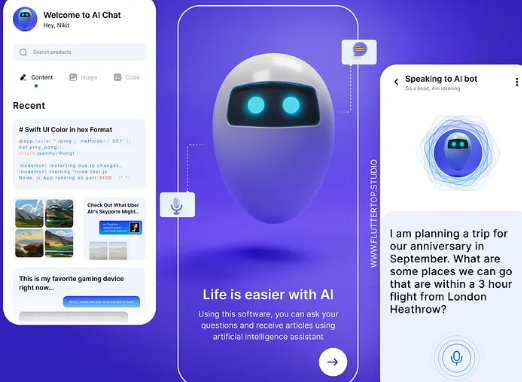
In today’s fast-paced digital world, self-service channels like chatbots and interactive voice response (IVR) systems have become essential for customer support. They reduce wait times, increase efficiency, and allow customers to resolve issues on their own. However, even the most advanced systems can have gaps—misunderstandings, misrouted requests, or incomplete responses—that frustrate users and drive them back to human agents.
This is where chat analytics comes in, offering actionable insights to improve self-service performance and enhance the overall customer experience.
Understanding Chat Analytics
Chat analytics involves analyzing digital conversations from chatbots, live chats, and IVR interactions to extract meaningful patterns. Advanced tools use natural language processing (NLP) and artificial intelligence (AI) to detect recurring issues, sentiment, and conversation flow problems. By analyzing these interactions, organizations can pinpoint weaknesses in their self-service systems and implement targeted improvements.
Identifying Gaps in Chatbots
Chatbots are only effective if they understand user intent and provide accurate solutions. Chat analytics helps identify gaps by:
1. Tracking failed interactions:
Analytics can flag chats where the bot fails to provide relevant answers or escalates too many queries to human agents.
2. Monitoring misunderstood queries:
By analyzing the language customers use, organizations can spot phrases or intents that the chatbot cannot process effectively.
3. Detecting repetition and frustration:
When customers repeat the same question multiple times or abandon chats mid-session, it indicates a gap in the chatbot’s knowledge base or response logic.
Once these gaps are identified, organizations can refine the chatbot’s AI training data, expand its knowledge base, or redesign conversation flows to reduce friction.
Optimizing IVR Systems
IVR systems guide callers through menus and automate routine tasks such as balance inquiries or appointment scheduling. Chat analytics improves IVR performance by:
1. Analyzing call drop-offs:
High abandonment rates at specific menu options indicate confusing or overly complex prompts.
2. Identifying misrouted calls:
Analytics can track when callers are redirected incorrectly, highlighting the need for better menu structure.
3. Evaluating sentiment:
Detecting frustration in voice tone or repeated navigation attempts allows organizations to prioritize IVR updates for critical pain points.
With these insights, companies can streamline IVR menus, simplify instructions, and ensure customers reach the right endpoint quickly.
Benefits of Using Chat Analytics for Self-Service
Leveraging chat analytics for self-service improvements delivers several advantages:
1. Enhanced customer satisfaction:
Users find answers faster and with fewer errors, increasing overall satisfaction.
2. Reduced agent workload:
Efficient self-service reduces the volume of repetitive inquiries routed to human agents.
3. Continuous improvement:
Analytics provides ongoing feedback, enabling iterative updates to chatbots and IVR systems.
4. Operational efficiency:
Streamlined self-service reduces call duration, wait times, and overall operational costs.
Conclusion
Chat analytics transforms self-service channels from static tools into adaptive, intelligent systems. By identifying gaps in chatbots and IVR, organizations can proactively address friction points, improve user experience, and optimize operational efficiency.
Investing in analytics-driven self-service improvements ensures that digital channels are not just a convenience but a strategic asset—empowering customers to resolve issues independently while maintaining high standards of satisfaction and efficiency.