
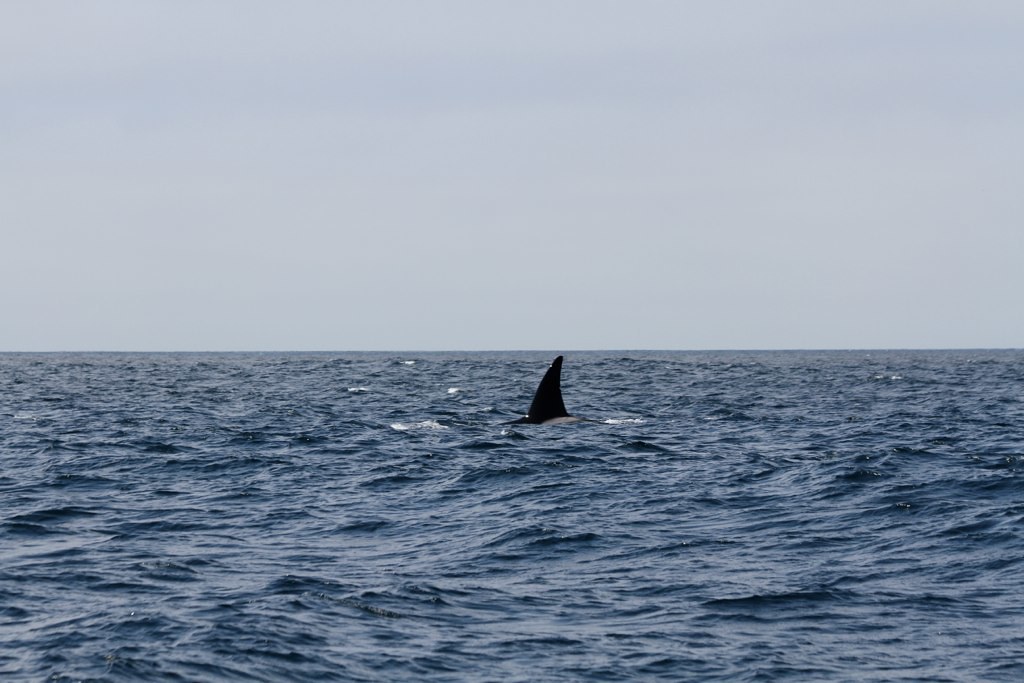
Killer whales predators have evolved into some of the ocean’s most fearsome hunters, surprising scientists with their long history as apex predators. Recent studies reveal insights into their predatory behaviors and ecological impact.
The Evolution of Killer Whales
Killer whales, known scientifically as Orcinus orca, have evolved into formidable predators over millions of years. This evolution has fascinated scientists, revealing insights into how these marine mammals became apex hunters in ocean ecosystems.
Research suggests that killer whales developed their predatory skills through a combination of social learning, sophisticated communication, and hunting techniques. Their ability to work in pods enables them to coordinate attacks on prey, showcasing their intelligence and adaptability.
Several factors contributed to the evolution of killer whales as predators:
- Dietary Variety: Killer whales have a diverse diet, consuming fish, squid, and even other marine mammals. This flexibility has allowed them to thrive in various environments.
- Social Structure: Living in tight-knit family groups, killer whales share knowledge and hunting strategies, which enhances their effectiveness as predators.
- Physical Adaptations: Their streamlined bodies and powerful tails enable them to swim swiftly, making them efficient hunters.
Understanding the evolution of killer whales not only sheds light on their role as top predators but also emphasizes the importance of conserving their habitats. As apex predators, killer whales play a critical role in maintaining the balance of marine ecosystems.
Understanding Orca Hunting Techniques
Killer whales, or orcas, are renowned for their sophisticated hunting techniques, making them one of the ocean’s most formidable predators. These apex predators employ a variety of strategies that highlight their intelligence and adaptability.
- Cooperative Hunting: Orcas often hunt in pods, where members work together to corral and capture prey. This technique not only increases their success rate but also allows them to target larger animals.
- Strand Feeding: In some regions, killer whales exhibit a unique method known as strand feeding, where they intentionally beach themselves to catch seals. This risky maneuver demonstrates their problem-solving abilities and teamwork.
- Wave Washing: Another remarkable tactic involves creating waves to knock prey off ice floes. By swimming in unison, they generate enough force to dislodge seals from their resting spots.
- Ambush Techniques: Orcas are also skilled ambush predators. They can silently approach their prey, using stealth to gain the upper hand during an attack.
These varied hunting techniques not only showcase the expertise of killer whales as predators but also reflect their evolutionary history. As they have adapted to different environments and prey species, their hunting strategies have become increasingly refined, ensuring their position at the top of the marine food chain.
Impact on Marine Ecosystems
The impact of killer whales on marine ecosystems is profound, as these apex predators play a crucial role in maintaining the balance of oceanic food webs. As dominant hunters, killer whales influence the population dynamics of various marine species, shaping the health and diversity of their habitats.
Killer whales primarily prey on a range of marine animals, including:
- Fish, such as salmon and herring
- Mammals, like seals and sea lions
- Other cetaceans, including smaller whale species
By targeting specific species, killer whales help regulate their populations, preventing overgrazing of essential marine vegetation and allowing other species to thrive. Their hunting strategies often lead to changes in prey behavior, which can ripple through the ecosystem.
Moreover, the presence of killer whales can affect the distribution of other marine animals, as prey species often alter their habitats to evade these formidable predators. This dynamic interaction highlights the intricate web of life in the ocean and underscores the importance of killer whales as key players in marine ecosystems.
Understanding the role of killer whales as predators is vital for conservation efforts, as protecting their populations will ensure the continued health of the marine environments they inhabit.
Surprising Facts About Killer Whales
Killer whales, or orcas, are not just remarkable for their intelligence and social structures; they are also some of the ocean’s most formidable predators. Here are some surprising facts about these apex hunters:
- Highly Social Creatures: Killer whales live in pods that can consist of up to 40 individuals, showcasing advanced social behaviors and cooperative hunting techniques.
- Complex Communication: They use a variety of vocalizations, including clicks and whistles, to communicate with each other, helping them coordinate during hunts.
- Diverse Diet: As killer whales are top predators, their diet is incredibly varied. They can prey on fish, seals, and even other whale species, demonstrating their adaptability as predators.
- Use of Tools: In some populations, killer whales have been observed using marine sponges as tools to protect their rostrums while foraging on the seafloor.
- Intelligent Learners: Young killer whales learn hunting techniques from their mothers, ensuring that knowledge is passed down through generations.
- Global Distribution: They inhabit oceans worldwide, from the polar regions to tropical seas, showcasing their ability to thrive in various environments.
These traits highlight why killer whales are considered one of the ocean’s most efficient predators.
The Future of Orca Research
As research into killer whales continues to unfold, the future of orca study promises to reveal even more about these remarkable predators. With advancements in technology, scientists are now able to gather data in unprecedented ways, allowing for a deeper understanding of killer whales’ complex behaviors and social structures.
One of the most exciting areas of future research involves the use of acoustic monitoring. This technique enables researchers to listen to the sounds made by orcas, providing insights into their communication and hunting strategies. By analyzing these sounds, scientists can better understand how killer whales coordinate during hunts and interact with each other.
Furthermore, ongoing investigations into the genetic diversity of killer whale populations may shed light on their evolutionary history as apex predators. Understanding the genetic factors that contribute to their adaptability can help in conservation efforts, especially as these magnificent creatures face threats from climate change and human activities.
Additionally, interdisciplinary studies combining marine biology, ecology, and social science will be crucial for addressing the challenges facing orcas today. Such collaborations can enhance our understanding of how killer whales interact with their environment and other marine species.
- Acoustic monitoring for communication insights
- Research on genetic diversity and adaptability
- Interdisciplinary studies for comprehensive understanding
Understanding the role of killer whales predators in marine ecosystems reveals fascinating insights into their evolutionary adaptations. As we explore the behaviors and hunting techniques of killer whales predators, we gain a deeper appreciation for their complex social structures.
By minicooper93402 via Openverse