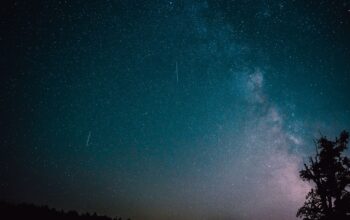
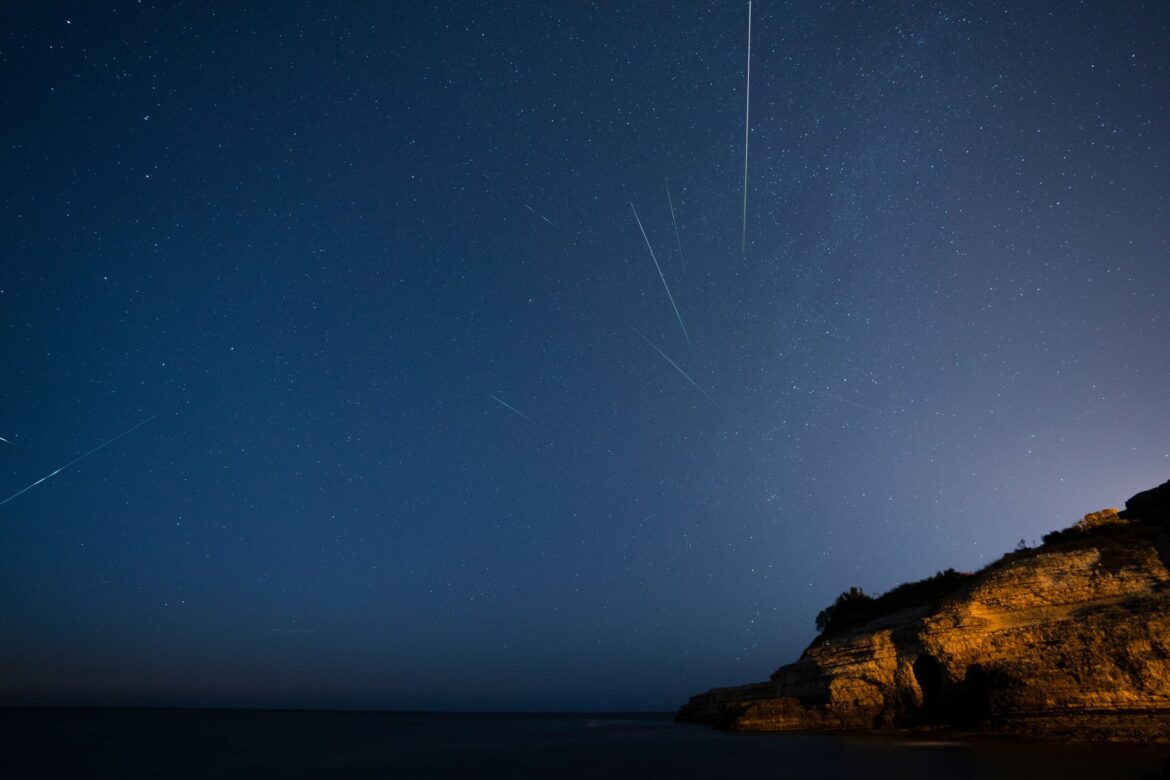
Leonids meteor shower is an astronomical event that captivates skywatchers every year. This week, it peaks on both Tuesday and Wednesday night, offering a spectacular show for those looking to enjoy the night sky.
What is the Leonids meteor shower?
The Leonids meteor shower is one of the most anticipated celestial events of the year, captivating stargazers with its stunning displays. Occurring annually in November, this meteor shower is associated with the comet Tempel-Tuttle, which orbits the sun every 33 years. As Earth passes through the debris left behind by this comet, tiny particles enter the atmosphere at high speeds, creating bright streaks of light in the night sky.
The Leonids are known for their impressive bursts, with some years producing hundreds of meteors per hour. The peak typically occurs around the 17th and 18th of November, making it an ideal time for enthusiasts to gather and enjoy the spectacle. To maximize viewing opportunities, choose a dark location away from city lights and allow your eyes to adjust to the darkness for the best experience.
Best viewing tips for the Leonids
The Leonids meteor shower offers a spectacular celestial display, and knowing how to view it can enhance your experience. Here are some best viewing tips for the Leonids:
- Find a dark location: Choose a spot away from city lights to improve visibility.
- Timing is key: The best viewing is typically after midnight when meteors are more abundant.
- Look towards the constellation: Position yourself so that you are facing the direction of the constellation Leo, as this is where the meteors will radiate from.
- Bring comfortable gear: A reclining chair or blanket can make your viewing more enjoyable.
- Be patient: Allow your eyes to adjust to the darkness, and be prepared to wait for the show to unfold.
With these tips, you can fully enjoy the wonders of the Leonids meteor shower.
When to watch the meteor shower
The Leonids meteor shower is set to peak on both Tuesday and Wednesday night, providing an excellent opportunity for stargazers to witness this celestial event. The best time to watch the meteor shower is typically after midnight, when the sky is darkest and the number of visible meteors increases significantly.
For optimal viewing, consider the following:
- Location: Find a dark area away from city lights.
- Timing: Stay up late or wake up early to catch the peak activity.
- Comfort: Bring a reclining chair or blanket for a comfortable viewing experience.
- Patience: Allow time for your eyes to adjust to the darkness.
With these tips in mind, you’ll be ready to enjoy the Leonids meteor shower in all its glory.
Other notable meteor showers this year
In addition to the Leonids meteor shower, stargazers can look forward to several other notable meteor showers this year. Each of these celestial events offers unique viewing experiences and peak times that vary throughout the year.
- Quadrantids: Peaking in early January, this shower can produce bright meteors, but it often has a short peak duration.
- Perseid: Occurring in August, the Perseids are among the most popular and can yield a high number of visible meteors, especially under clear skies.
- Geminids: Peaking in December, the Geminids are known for their bright and colorful meteors, making them a favorite for many astronomers.
- Orionids: This October shower, resulting from Halley’s Comet, offers a spectacular display that can be enjoyed in the early morning hours.
Mark your calendars to catch these incredible displays in addition to the Leonids meteor shower.
Photo by FURKAN GÜNEŞ on Pexels
Sources
FOX 2 Detroit · Leonids meteor shower prophecy
You might also like
Rent to Buy Cars: How to Choose an Affordable Car for Your Needs · ChatGPT citation drops: The Worst Proven Impact on SEO · Alibaba Qwen4-Max: The Smart AI Model Promises Safety