
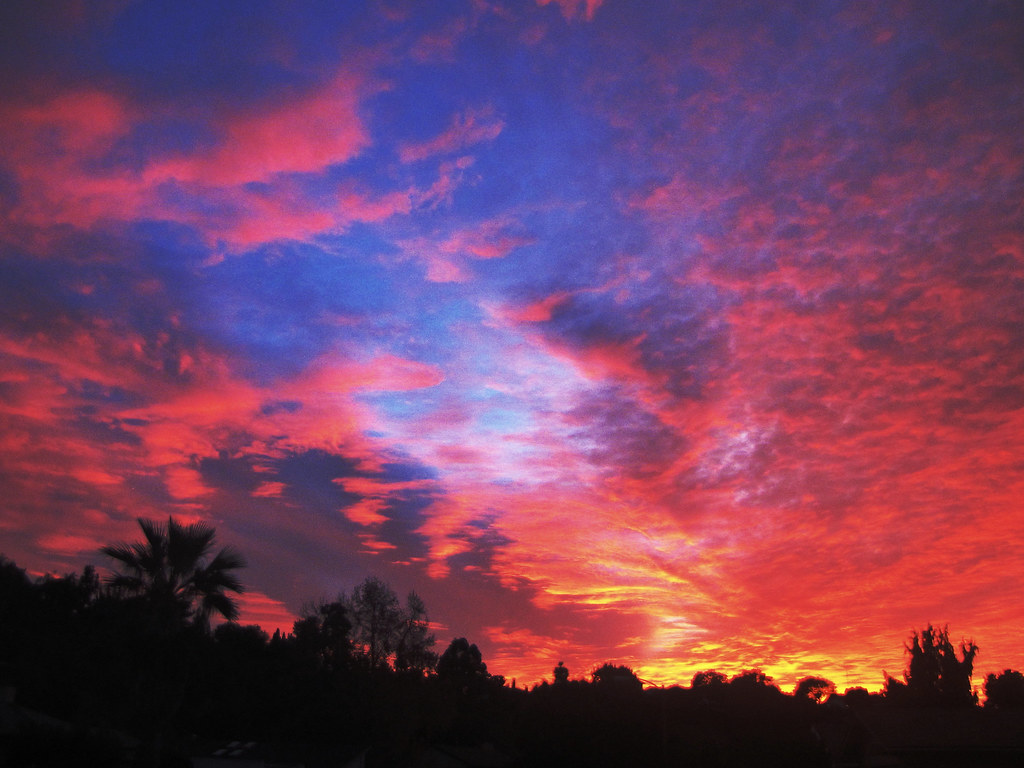
California night sky has recently showcased a blinding daylight phenomenon that has left many in awe. This unexpected event has drawn attention from both astronomers and the tech community.
What Causes the Blinding Daylight?
The phenomenon of blinding daylight observed in California’s night sky can be attributed to several atmospheric conditions and natural events. Understanding these factors is essential to grasping why such an extraordinary experience occurs.
One primary cause is the reflection of sunlight off the surface of the ocean, which can create an intense brightness that permeates the atmosphere. This effect is often heightened during specific seasons when the angle of the sun aligns just right.
Additionally, moonlight plays a significant role. When the moon is full, its light can reflect off various surfaces, contributing to the brightness of the night. In some cases, this can result in what appears to be daylight in areas far from artificial light sources.
Another contributing factor is the presence of certain atmospheric particles. For instance, aerosols and water vapor can scatter light, enhancing the luminous quality of the night sky. This scattering effect can lead to an illusion of daylight even in the absence of the sun.
Overall, the interplay of these elements creates a unique spectacle for those gazing into California’s night sky, making it a sight to behold for residents and visitors alike.
Impact on Stargazing in California
The unique phenomenon of blinding daylight in California has significant implications for stargazing enthusiasts across the state. As this event unfolds, many are left wondering how it will alter their nighttime experiences under the California night sky.
Stargazers often rely on dark, clear nights to observe celestial wonders. However, the presence of excessive brightness can hinder visibility, making it difficult to spot familiar constellations and planets. This phenomenon poses challenges for both amateur astronomers and seasoned professionals seeking to capture stunning images of the night sky.
Some of the key impacts include:
- Reduced Visibility: Brightness can drown out fainter stars, leading to a less vibrant stargazing experience.
- Altered Viewing Schedules: Enthusiasts may need to adjust their activities to times when the blinding daylight phenomenon is less pronounced.
- Increased Interest in Technology: Many stargazers are turning to advanced telescopes with light pollution filters to enhance their view.
Despite these challenges, the allure of the California night sky remains strong, attracting many to explore innovative ways to enjoy its beauty while adapting to the new conditions.
Technological Advances in Astronomy
Recent technological advances in astronomy have significantly enhanced our understanding of the California night sky and its phenomena. Innovations in telescope design and imaging techniques have allowed astronomers to capture more detailed observations of celestial events.
One of the most notable developments is the use of adaptive optics, which corrects distortions caused by the Earth’s atmosphere. This technology enables astronomers to obtain clearer images of distant stars and galaxies, even amidst the challenges posed by blinding daylight phenomena. With adaptive optics, researchers can better study the impact of these occurrences on the visibility of astronomical objects.
Additionally, the integration of artificial intelligence in data analysis has revolutionized how scientists interpret vast amounts of information collected from telescopes. AI algorithms can quickly identify patterns and anomalies in the California night sky, leading to new discoveries and deeper insights into light pollution and its effects on stargazing.
Furthermore, collaborations between various observatories and institutions have fostered a more comprehensive approach to studying the night sky. These partnerships allow for shared resources and knowledge, enhancing the overall capability to tackle new challenges presented by the evolving nature of our atmosphere.
As technology continues to advance, the mysteries of the California night sky will undoubtedly become clearer, inviting both amateur and professional astronomers to explore its wonders.
Public Reactions to the Phenomenon
The recent phenomenon observed in the California night sky has sparked a wave of reactions from the public, ranging from awe to concern. Many residents took to social media to share their experiences, with some describing the bright displays as “magical” while others expressed unease about the implications for night wildlife and natural ecosystems.
Local astronomy clubs reported a surge in attendance at recent events, as enthusiasts sought to witness the unusual light effects firsthand. “It’s a once-in-a-lifetime opportunity,” said one club member, who noted that the phenomenon has rejuvenated interest in stargazing across the state. However, not all feedback was positive.
- Environmental concerns: Several environmentalists voiced worries about how the blinding daylight could disrupt nocturnal animals and their habitats.
- Community discussions: Town hall meetings have emerged as platforms for community members to voice their concerns and share their excitement about the California night sky.
- Scientific curiosity: Students and educators have also joined the conversation, exploring the scientific aspects behind the phenomenon.
As discussions continue, the unique event has undeniably captivated the imagination of Californians, highlighting the delicate balance between nature and human curiosity.
Future Predictions for Night Sky Events
As the phenomenon of blinding daylight continues to spark interest among astronomers and the public, future predictions for night sky events in California are becoming increasingly significant. Experts suggest that advancements in technology and ongoing research will lead to a deeper understanding of how these daylight occurrences influence celestial observations.
In the coming years, astronomers anticipate a series of remarkable events that could reshape stargazing experiences across California. Some expected highlights include:
- Increased Meteor Showers: With the right conditions, meteor showers may become more visible, even amidst the daylight phenomenon.
- Enhanced Satellite Visibility: As satellite technology advances, more satellites will be launched, creating unique viewing opportunities in the night sky.
- Public Stargazing Events: Local communities are planning to host stargazing nights to educate the public about the night sky and the effects of blinding daylight.
Furthermore, the collaboration between scientists and local observatories is expected to yield new insights into the California night sky. As our understanding evolves, enthusiasts and casual observers alike will be better equipped to appreciate the beauty and complexity of celestial events.
The phenomenon of blinding daylight has captivated many observers, transforming the California night sky into a canvas of awe and wonder. As scientists explore this intriguing event, the California night sky continues to reveal its mysteries to those who gaze upward.
By moonjazz via Openverse
References
Newser · California night snake
Related stories
Remothered Red Nun: The Best Proven Launch Trailer Revealed · Gen AI Video Generation: Is It the Best Proven Technology? · Laser Beam Reach Moon: Quick Facts You Need to Know