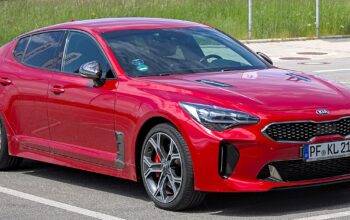

Choosing a suitable vehicle is an important decision, especially when you want reliable transportation without making a large upfront payment. Rent to Buy Cars provide an alternative arrangement that allows drivers to use a vehicle while making regular payments under an agreement that may eventually lead to ownership. Selecting an affordable option requires careful consideration of your budget, driving habits, vehicle condition, and contract requirements.
How Should You Determine Your Budget?
Before selecting a vehicle, calculate how much you can comfortably spend each month. Consider your regular income, household expenses, savings, and other financial commitments. Remember that the cost of a vehicle includes more than the scheduled payment.
You should also account for insurance, fuel, registration, servicing, and unexpected repairs. Keeping some money available for emergencies can help you manage expenses throughout the agreement.
Which Type of Car Should You Choose?
Your daily requirements should guide your vehicle selection. Compact cars are practical for city driving because they are generally easier to park and may offer economical fuel consumption. They can be suitable for individuals and commuters who travel shorter distances.
Sedans provide additional passenger comfort and luggage space, making them useful for families and regular business travel. Larger vehicles may be appropriate for people who need extra seating or storage capacity.
Consider your usual passenger numbers, travel distances, parking facilities, and road conditions before making a decision.
How Can You Compare Different Payment Plans?
Payment arrangements can vary depending on the provider and vehicle. Some agreements require an initial deposit followed by weekly, biweekly, or monthly installments.
Compare the contract duration, total payment amount, and final purchase price. Ask whether your regular payments contribute toward ownership or whether a separate amount is required at the end.
A lower installment does not always mean a more affordable agreement. Calculate the complete cost before choosing an option.
Why Should You Inspect the Vehicle?
Vehicle condition plays an important role in long-term affordability. Mechanical problems can create unexpected expenses and affect daily transportation.
Check the engine, transmission, brakes, tires, battery, lights, and air conditioning. Inspect the interior and exterior for visible damage. Review the mileage and available maintenance history.
A professional mechanical inspection can help identify issues that may not be immediately noticeable.
What Contract Conditions Should You Review?
Read the agreement carefully before signing. Understand the ownership transfer process, insurance requirements, maintenance responsibilities, and warranty coverage.
Also check missed-payment penalties, mileage restrictions, early termination charges, and conditions for returning the vehicle. Ask for written clarification whenever something is unclear.
How Can You Make the Right Choice?
The best vehicle is one that meets your transportation needs without placing unnecessary pressure on your finances. Compare different models, calculate all expenses, and select a payment arrangement that matches your income.
With proper planning, careful inspection, and a clear understanding of the agreement, you can choose an affordable vehicle and work toward ownership with greater confidence.
At a Glance
- Rent to Buy Cars allow drivers to use a vehicle while making regular payments that may eventually lead to ownership.
- Before selecting a vehicle, it is important to calculate how much you can comfortably spend each month, factoring in additional costs like insurance and servicing.
- Compact cars are typically more suitable for city driving due to their ease of parking and economical fuel consumption.
- Payment arrangements can vary by provider, and it’s crucial to compare contract durations, total payment amounts, and how payments contribute towards ownership.
- Inspecting the vehicle for mechanical issues and reviewing maintenance history can help avoid unexpected future expenses.
- Before signing any agreement, it is essential to thoroughly understand contract conditions such as insurance requirements, penalties, and mileage restrictions.